Residential & Commercial Evictions | You are represented at all times by one of our California Eviction Attorneys | 1-800-686-8686 | intake@fastevict.com | Se habla español
California SB 655 Explained: What Landlords Must Know About Heat and Mold Habitability Standards

California landlords are facing another important shift in habitability standards, and understanding it early can make a real difference in protecting rental properties and avoiding disputes. California SB 655 is often misunderstood because it refers to two separate legislative efforts passed in different years, each addressing a different habitability concern. One focuses on mold as a substandard housing condition, while the newer version addresses safe indoor temperatures during extreme heat.
This article explains California SB 655 in plain language, breaks down how each version affects landlords, and outlines practical considerations for rental property owners operating in California.
Key Takeaways
- California SB 655 refers to two separate laws, one addressing mold and one addressing indoor heat.
- Visible mold has been classified as a substandard housing condition since 2016 when certain conditions are met.
- The newer SB 655 establishes a statewide policy for safe indoor temperatures but does not yet impose specific cooling mandates.
- Landlords should prepare for future regulations by reviewing cooling capacity, maintenance practices, and documentation.
- Proactive habitability planning helps reduce enforcement risk and tenant disputes.
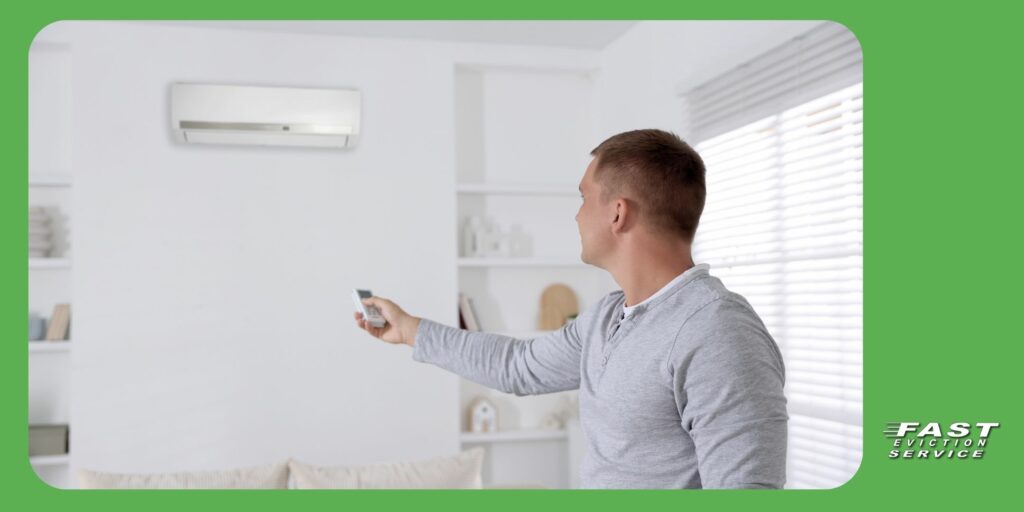
Table of Contents
- What Is California SB 655
- SB 655 and Safe Indoor Temperatures in Rental Housing
- How the Indoor Temperature Policy Affects Landlords
- SB 655 and Mold as a Habitability Issue
- Landlord Responsibilities for Mold in California Rentals
- Practical Compliance Tips for California Landlords
- Enforcement Risks and Habitability Complaints
- Conclusion
What Is California SB 655
California SB 655 is unique because it has been used for two different pieces of legislation passed in different years. While they share the same bill number, they address separate habitability issues and apply in different ways.
The earlier version of SB 655, which became effective in 2016, clarified how visible mold fits into California’s definition of substandard housing. The newer version of SB 655, passed during the 2025 to 2026 legislative session, establishes a statewide policy focused on safe indoor temperatures in residential housing.
Understanding which version applies depends on the issue involved. Mold related disputes typically involve the older law, while extreme heat and cooling concerns relate to the newer policy.
SB 655 and Safe Indoor Temperatures in Rental Housing
The current version of California SB 655 focuses on indoor heat as a public health concern. The goal is to ensure that residential units can maintain safe indoor temperatures during periods of extreme heat, which have become more frequent across California.
Rather than setting an immediate numerical temperature limit, SB 655 directs state agencies to develop standards and integrate safe indoor temperature considerations into housing programs and future building codes. This approach signals a shift in how habitability may be evaluated in the coming years, particularly in areas prone to heat waves.
The law also encourages the use of clean cooling technologies, such as heat pumps, especially in housing occupied by lower income households. While this policy direction does not yet impose new equipment requirements on existing rentals, it lays the groundwork for future regulatory changes.
How the Indoor Temperature Policy Affects Landlords
At this stage, SB 655 does not require landlords to install air conditioning or specific cooling systems. California law still distinguishes between heating requirements, which are mandatory, and cooling, which historically has not been.
However, landlords should not ignore the direction of this legislation. Safe indoor temperature standards may eventually influence habitability inspections, local code updates, or funding programs tied to property improvements. Rental owners who plan ahead are better positioned to adapt when formal regulations are adopted.
Practical steps landlords may consider include evaluating whether units have adequate ventilation, reviewing the condition of existing cooling systems if present, and documenting maintenance efforts. These actions can help demonstrate good faith efforts to maintain habitable living conditions as expectations evolve.
SB 655 and Mold as a Habitability Issue
The earlier version of California SB 655 addressed mold in rental housing by amending the Health and Safety Code. Since 2016, visible mold growth has been classified as a form of inadequate sanitation or a substandard housing condition when it poses a health concern.
This change did not automatically make landlords responsible for all mold in every situation. Instead, it clarified that mold could support a habitability claim if certain conditions are met, including proper notice and circumstances beyond tenant control.
This distinction remains important for landlords, as mold disputes often arise from misunderstandings about responsibility and notice requirements.
Landlord Responsibilities for Mold in California Rentals
Under California law, landlords are generally responsible for addressing mold conditions once they receive notice and when the mold is not caused by tenant behavior. The law also allows landlords to enter a unit to inspect and repair mold related issues, provided proper notice is given and entry rules are followed.
Landlords are not required to remediate mold they are unaware of, nor are they responsible for mold caused solely by tenant actions such as failure to ventilate, misuse of plumbing, or ignoring leaks.
Clear documentation plays a critical role in mold related situations. Maintenance records, inspection notes, and written communication with tenants can help establish timelines and responsibility if disputes arise.
Practical Compliance Tips for California Landlords
Preparing for both heat related standards and mold enforcement starts with consistent property management practices. Landlords should conduct regular inspections focused on moisture sources, ventilation, and building systems that affect indoor conditions.
Addressing plumbing leaks promptly, maintaining roofs and windows, and ensuring bathrooms and kitchens have proper ventilation all reduce the risk of mold growth. For heat related concerns, reviewing insulation, shading, and airflow can improve indoor comfort even without mechanical cooling.
Keeping organized records of repairs, tenant notices, and maintenance work provides valuable protection if habitability concerns are raised later.
Enforcement Risks and Habitability Complaints
Habitability complaints can involve local code enforcement, health departments, or civil disputes. While SB 655 does not automatically trigger penalties, it strengthens the legal framework used to evaluate housing conditions.
Landlords who respond promptly to maintenance requests, document repairs, and maintain properties in good condition are far less likely to face enforcement actions. As indoor temperature standards develop over time, enforcement expectations may expand, making early preparation especially valuable.
Conclusion
California SB 655 reflects a broader shift in how habitability is defined and enforced. From clarifying mold as a substandard condition to establishing a policy framework for safe indoor temperatures, the law signals increasing attention to living conditions inside rental units.
For California landlords, understanding both versions of SB 655 helps reduce confusion, improve compliance planning, and protect long term rental investments. Staying informed and proactive remains one of the most effective ways to navigate changing habitability standards.