Residential & Commercial Evictions | You are represented at all times by one of our California Eviction Attorneys | 1-800-686-8686 | intake@fastevict.com | Se habla español
California SB 610 Explained for Landlords: Cleanup, Habitation, and Tenant Rights After Disasters

Natural disasters are an unfortunate reality for California property owners. Wildfires, floods, earthquakes, and severe storms can turn a rental property into an uninhabitable space overnight. In response to the confusion and conflict that often follow these events, California lawmakers introduced Senate Bill 610, a measure that directly impacts how landlords must respond after a disaster. Understanding SB 610 is essential for landlords who want to protect their investments, remain compliant, and manage tenant relationships responsibly in the aftermath of an emergency.
This guide breaks down SB 610 in plain language, with a clear focus on what California landlords need to know about cleanup duties, habitability standards, rent issues, and tenant rights after a disaster.
Key Takeaways
- SB 610 clarifies landlord responsibilities for cleaning and remediating disaster related hazards like smoke, ash, and mold.
- Rental units are presumed uninhabitable after certain disasters until proper remediation is completed.
- Tenants generally have the right to return to their unit at the same rent once it is safe to occupy.
- Landlords must return prepaid rent when a tenancy ends due to disaster related uninhabitability.
- Special rules apply to mobilehome parks, including rent suspension during mandatory evacuations.
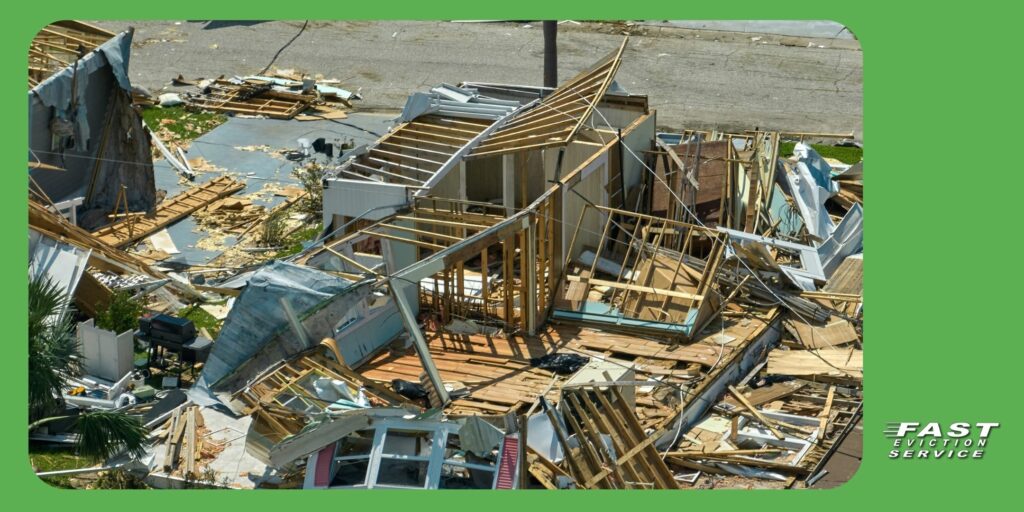
Table of Contents
- What Is California SB 610
- Why SB 610 Matters to California Landlords
- Landlord Responsibilities After a Natural Disaster
- Habitability and Remediation Standards
- Tenant Rights After a Disaster
- Rent, Prepaid Rent, and Evacuation Rules
- Special Rules for Mobilehome Parks
- Practical Compliance Tips for Landlords
- Common Landlord Mistakes After Disasters
- Conclusion
What Is California SB 610
California Senate Bill 610 is a 2025 to 2026 legislative session bill designed to address landlord and tenant obligations after natural disasters. The law was drafted in response to widespread confusion following major wildfire events, where tenants and landlords disagreed over cleanup duties, rent obligations, and the right to return to damaged properties.
SB 610 focuses on habitability, remediation, and financial fairness after a disaster. Rather than leaving these issues to interpretation, the bill spells out clear expectations for landlords when a rental property is affected by environmental hazards such as smoke residue, ash, mold, or other disaster related contamination.
Why SB 610 Matters to California Landlords
For landlords, SB 610 is not just another housing regulation. It directly affects how quickly a unit can be re rented, how much remediation is required before re occupancy, and whether tenants retain rights to return after repairs. Failing to understand these rules can lead to disputes, delayed turnovers, and potential liability.
SB 610 also reinforces the idea that disaster cleanup is a landlord responsibility, not a tenant obligation. This shift is particularly important in wildfire prone areas of California, where environmental damage may not always be visible but can still render a unit uninhabitable under the law.
Landlord Responsibilities After a Natural Disaster
One of the core components of SB 610 is the requirement that landlords address disaster related hazards before a unit can be considered habitable again. This includes cleanup and remediation of conditions caused by the disaster, not just structural repairs.
Landlords are responsible for removing hazardous debris and addressing environmental contamination such as smoke residue, ash infiltration, water damage, and mold growth. Simply airing out a unit or performing cosmetic cleaning is not sufficient if hazardous conditions remain.
The law places the burden on landlords to ensure that the property meets habitability standards before tenants return. This responsibility exists regardless of whether the damage was caused by a natural event outside the landlord’s control.
Habitability and Remediation Standards
SB 610 strengthens the concept that a rental unit is presumed uninhabitable after certain disasters until proper remediation is completed. This presumption is especially relevant after wildfires, where smoke and ash can settle into walls, ventilation systems, and soft surfaces.
Landlords must take reasonable steps to remediate these hazards, which may include professional cleaning, air quality testing, and mold remediation when moisture intrusion occurs. The goal is to ensure the unit is safe for occupancy, not merely visually clean.
Once remediation is complete, landlords should be prepared to document the work performed and communicate clearly with tenants about when the unit is considered safe to re occupy.
Tenant Rights After a Disaster
SB 610 confirms that tenants generally retain the right to return to their rental unit once it has been restored to a habitable condition. Importantly for landlords, this return is at the same rental rate that applied before the disaster, unless the tenancy has been lawfully terminated.
This provision prevents landlords from treating disaster repairs as an opportunity to reset rents or replace tenants prematurely. From a management standpoint, it is critical to track tenant communications and intentions during the remediation period to avoid misunderstandings.
Tenants also have the option not to return once the unit is habitable, in which case the tenancy may end without penalty related to the disaster.
Rent, Prepaid Rent, and Evacuation Rules
Another key aspect of SB 610 involves rent obligations during disaster related uninhabitability. When a unit cannot legally be occupied, rent is generally not owed for that period.
If a tenancy ends because the unit becomes uninhabitable due to a disaster, landlords are required to return any prepaid rent covering periods after the unit became uninhabitable. This includes advance rent paid for future months.
SB 610 also addresses mandatory evacuation orders. During official evacuation periods, rent obligations may be suspended, and landlords must account for this when calculating charges or issuing refunds.
Special Rules for Mobilehome Parks
SB 610 includes specific protections for mobilehome residents, which also impact mobilehome park owners and managers. When a mobilehome park is damaged by a disaster, park management must return advance rent within a defined timeframe if the tenancy ends.
The law also provides for rent suspension during mandatory evacuations affecting mobilehome parks. Additionally, tenants may receive a first right of refusal to return if the park is repaired or rebuilt.
These provisions reflect the unique nature of mobilehome tenancies and the heightened vulnerability of residents during disasters.
Practical Compliance Tips for Landlords
From a practical standpoint, landlords should prepare for disasters before they occur. This includes reviewing insurance policies to understand coverage for smoke, mold, and environmental cleanup, not just structural damage.
After a disaster, landlords should work with qualified remediation professionals rather than relying on general cleaning crews. Keeping detailed records of remediation work, inspections, and tenant communications can help demonstrate compliance if disputes arise.
Clear communication is essential. Tenants should be informed about the status of repairs, expected timelines, and their rights regarding return or termination.
Common Landlord Mistakes After Disasters
One common mistake is assuming that tenants are responsible for cleaning up after a disaster. SB 610 makes it clear that remediation of hazardous conditions is a landlord duty.
Another frequent issue is attempting to collect rent while a unit is uninhabitable or during a mandatory evacuation. This can quickly escalate into disputes and enforcement actions.
Finally, landlords sometimes underestimate the scope of remediation required after smoke or ash exposure. Failing to address these issues thoroughly can delay re occupancy and create long term habitability problems.
Conclusion
California SB 610 reshapes how landlords must respond when disaster strikes a rental property. By clearly assigning cleanup responsibilities, reinforcing habitability standards, and protecting tenant rights to return, the law aims to reduce confusion and hardship after emergencies.
For landlords, the key is preparation, documentation, and timely action. Understanding SB 610 helps property owners navigate disaster recovery more smoothly while protecting both their investment and their compliance with California rental laws.