Residential & Commercial Evictions | You are represented at all times by one of our California Eviction Attorneys | 1-800-686-8686 | intake@fastevict.com | Se habla español
How to Write a Strong Lease Agreement That Helps Prevent Tenant Disputes

A strong lease agreement is one of the most important tools a landlord has to protect their rental property, income, and long-term investment. A well-written lease agreement for landlords clearly defines expectations, outlines responsibilities, and helps prevent misunderstandings before they turn into costly disputes. When structured properly, your lease becomes a roadmap for both you and your tenant—reducing risk and creating a more stable tenancy.
Key Takeaways
- A clear lease agreement for landlords helps prevent disputes by setting expectations upfront
- Every lease should include rent terms, deposit details, maintenance responsibilities, and property rules
- Required disclosures and legally compliant clauses are just as important as business terms
- Vague language is one of the most common causes of landlord-tenant conflicts
- Regularly updating your lease ensures compliance with current California laws
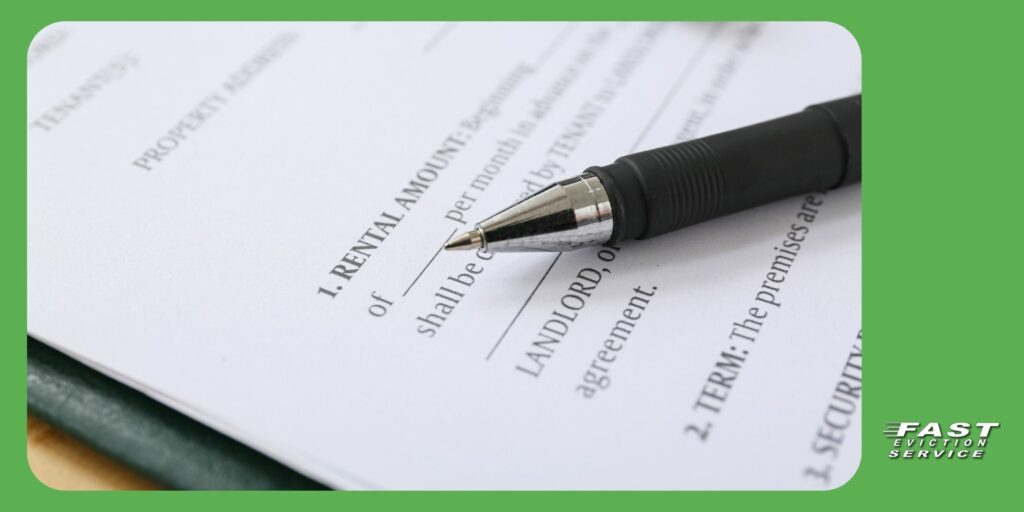
Table of Contents
- Why a Strong Lease Agreement Matters
- Basic Information Every Lease Must Include
- Rent Terms and Payment Clarity
- Security Deposit Rules and Best Practices
- Maintenance and Repair Responsibilities
- Policies That Help Prevent Tenant Disputes
- Right of Entry and Privacy Rules
- Important Clauses Landlords Should Include
- Required Disclosures in Lease Agreements
- Common Lease Mistakes to Avoid
- How to Strengthen and Update Your Lease
Why a Strong Lease Agreement Matters
A lease agreement is more than just a document—it is the foundation of your landlord-tenant relationship. Without a clear agreement, small misunderstandings can quickly escalate into legal disputes.
A strong lease agreement for landlords:
- Sets expectations from day one
- Reduces ambiguity around payments and responsibilities
- Provides written support if enforcement becomes necessary
- Helps maintain professionalism in property management
In California, where landlord-tenant laws are highly regulated, having a detailed and compliant lease is especially important.
Basic Information Every Lease Must Include
Every rental lease agreement should start with clear identification of the parties and the property.
Parties and Property
Include:
- Full legal names of the landlord or property manager
- Names of all adult tenants
- Complete rental property address, including unit number
Lease Term
Define:
- Start date and end date
- Whether the lease is fixed-term or month-to-month
- What happens at the end of the lease (renewal or conversion)
Clear lease terms reduce confusion and ensure both parties understand the duration of the agreement.
Rent Terms and Payment Clarity
One of the most common sources of disputes is unclear payment expectations.
Rent Amount and Due Date
Your lease should clearly state:
- Monthly rent amount
- Exact due date
- Any grace period (if applicable)
Payment Methods
Specify acceptable payment types:
- Online payment platforms
- Checks or money orders
- Other approved methods
Late Fees and Charges
Clearly define:
- When rent is considered late
- Any applicable late fees (must comply with California law)
- Fees for returned payments
When rent terms are precise, there is less room for disagreement.
Security Deposit Rules and Best Practices
Security deposits are another frequent source of disputes, making clarity essential.
Deposit Amount
Clearly state:
- Total deposit collected
- Any applicable legal limits
Use of the Deposit
Explain what the deposit may cover:
- Unpaid rent
- Property damage beyond normal wear and tear
- Cleaning costs where allowed
Return of Deposit
Include:
- Timeline for returning the deposit
- Requirement for itemized deductions
- Move-out inspection procedures
In California, strict rules govern how deposits are handled, so this section must be accurate and detailed.
Maintenance and Repair Responsibilities
A strong lease agreement for landlords should clearly define who is responsible for what.
Landlord Responsibilities
Typically include:
- Maintaining habitability standards
- Major repairs and structural issues
Tenant Responsibilities
May include:
- Keeping the property clean
- Reporting maintenance issues promptly
- Avoiding damage beyond normal use
Damage vs. Wear and Tear
Clarifying this distinction can prevent disagreements at move-out.
Policies That Help Prevent Tenant Disputes
Clear rules reduce gray areas and help avoid conflicts.
Occupancy Limits
Define:
- Who is allowed to live in the unit
- Guest policies and restrictions
Pet Policy
State whether pets are:
- Allowed or prohibited
- Subject to conditions or additional deposits (where lawful)
Smoking Rules
Specify:
- Whether smoking is allowed
- Designated areas, if applicable
Noise and Conduct
Include:
- Quiet hours
- Rules regarding disturbances or nuisance behavior
Property Use
Outline restrictions on:
- Alterations to the unit
- Subletting or short-term rentals
- Business use of the property
Right of Entry and Privacy Rules
Landlord entry is a sensitive topic and must be handled correctly.
When Entry Is Allowed
Typically includes:
- Repairs and maintenance
- Inspections
- Emergencies
- Showing the unit to prospective tenants or buyers
Notice Requirements
Your lease should reflect California’s notice requirements for entry, ensuring compliance and avoiding tenant complaints.
Important Clauses Landlords Should Include
Beyond basic terms, several clauses help strengthen your lease.
Early Termination Clause
Define:
- Notice requirements
- Financial responsibility if the lease is broken early
Renewal Terms
Clarify:
- Renewal process
- Rent adjustments
- Conversion to month-to-month tenancy
Holdover Clause
Explain what happens if a tenant remains after the lease expires.
Dispute Resolution
Optional but useful:
- Mediation or arbitration terms
- Attorney fees provisions where appropriate
Required Disclosures in Lease Agreements
Certain disclosures are mandatory and must be included.
Lead-Based Paint Disclosure
Required for properties built before 1978.
State and Local Disclosures
In California, landlords may need to include:
- Specific notices related to habitability
- Local rent control or ordinance disclosures
- Additional written disclosures depending on jurisdiction
Failure to include required disclosures can weaken enforceability.
Common Lease Mistakes to Avoid
Even experienced landlords make avoidable mistakes.
Vague Language
Unclear terms lead to disputes. Be specific and detailed.
Outdated Lease Forms
Laws change frequently. Using an old lease can create compliance issues.
Missing Signatures
All adult occupants should sign the lease agreement.
Ignoring Local Laws
California cities often have additional regulations beyond state law.
How to Strengthen and Update Your Lease
A lease should not be a “set it and forget it” document.
Review Regularly
Audit your lease annually to ensure:
- Compliance with current laws
- Alignment with your property management practices
Standardize Documentation
Keep consistent records:
- Signed lease agreements
- Addenda and disclosures
- Inspection reports
Improve Clarity Over Time
Refine sections that have caused confusion in past tenancies.
Conclusion
A strong lease agreement for landlords is one of the most effective ways to prevent tenant disputes and protect your rental property. By clearly outlining terms, responsibilities, and expectations, you create a framework that supports smoother tenancies and fewer conflicts. Investing time in building a detailed, compliant lease today can save significant time, money, and stress in the future.