Residential & Commercial Evictions | You are represented at all times by one of our California Eviction Attorneys | 1-800-686-8686 | intake@fastevict.com | Se habla español
California Landlord Guide to Disability Accommodations and Accessibility Rules

Managing rental property in California comes with a wide range of responsibilities, but one area that often creates confusion for landlords is disability-related housing compliance. Between federal laws like the Fair Housing Act and state-level rules under California law, understanding what is expected of you when a tenant requests an accommodation or modification is critical.
For landlords, this is not just about compliance. It is about protecting your investment, maintaining consistent policies, and avoiding unnecessary disputes. Knowing how to properly respond to disability-related requests can help you operate more efficiently while serving a broader tenant base.
Key Takeaways
- ADA compliance for California landlords often applies to public-facing areas, while most residential obligations fall under fair housing laws
- Reasonable accommodations involve changes to rules or policies, not physical alterations
- Reasonable modifications involve physical changes to the property, often at the tenant’s expense
- California laws tend to be broader and more protective than federal standards
- Timely and consistent responses to tenant requests are essential for minimizing risk
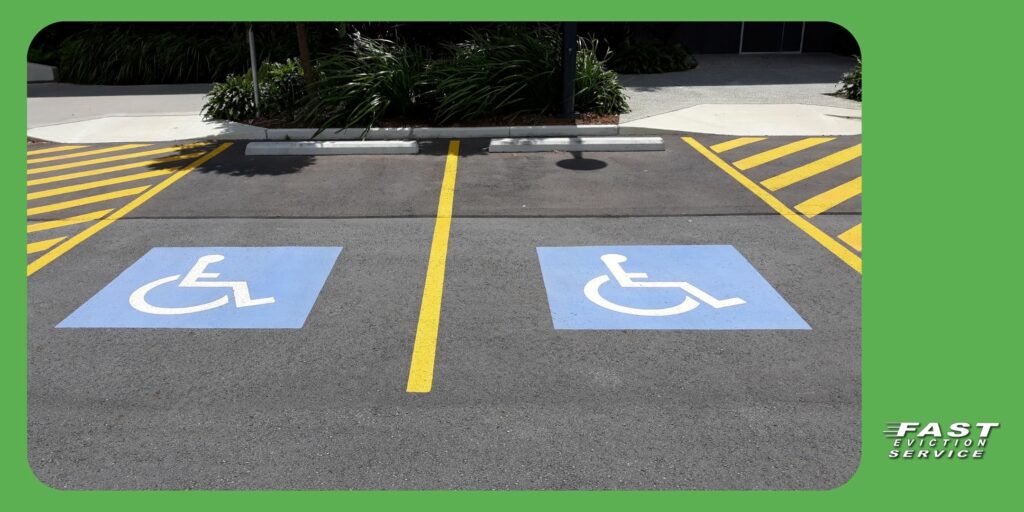
Table of Contents
- Which Laws Apply to California Landlords
- ADA vs FHA vs FEHA Explained
- What Is a Reasonable Accommodation
- What Is a Reasonable Modification
- Service Animals and Assistance Animals
- Accessibility Rules for Multifamily Properties
- How Landlords Should Respond to Requests
- Common Mistakes to Avoid
- Best Practices for California Landlords
- Frequently Asked Questions
Which Laws Apply to California Landlords
When discussing ADA compliance for California landlords, it is important to understand that multiple laws may apply depending on the situation.
The Fair Housing Act is the primary federal law that governs residential housing. It protects tenants from discrimination and requires landlords to allow reasonable accommodations and modifications.
California law, particularly under the Fair Employment and Housing Act, often goes further than federal standards. This means landlords in California should always operate with a higher level of awareness when handling disability-related requests.
The Americans with Disabilities Act typically applies to public accommodations. For landlords, this may include leasing offices, common areas open to the public, or any part of the property that is not strictly residential.
ADA vs FHA vs FEHA Explained
Understanding the difference between these laws helps landlords avoid confusion.
The ADA focuses on accessibility in public-facing spaces. If you have a leasing office where prospective tenants visit, that space may need to meet accessibility standards.
The Fair Housing Act governs how you interact with tenants and applicants in residential housing. This includes screening, leasing, and ongoing tenancy.
California’s FEHA expands on these protections and often sets a higher standard. For landlords, this means you should treat every disability-related request carefully, even if it seems minor.
What Is a Reasonable Accommodation
A reasonable accommodation is a change to your policies or procedures that allows a tenant with a disability to use and enjoy their home.
These are not physical changes. Instead, they involve flexibility in how rules are applied.
Common examples include allowing a service or emotional support animal in a no-pets property, assigning a parking space closer to the unit, or allowing alternative methods of rent payment.
For landlords, the key is to evaluate whether the request is reasonable and does not create an undue burden on your operations. Each request should be reviewed individually rather than applying a blanket rule.
What Is a Reasonable Modification
A reasonable modification involves a physical change to the rental property.
These changes allow tenants with disabilities to better access or use the space. Examples include installing grab bars, widening doorways, or adding ramps.
In most private rental situations, the tenant is responsible for covering the cost of these modifications. However, landlords may set reasonable conditions, such as requiring the work to be done properly or requesting restoration when the tenant moves out.
Understanding the distinction between accommodations and modifications is essential for landlords managing requests effectively.
Service Animals and Assistance Animals
One of the most common issues landlords face involves service animals and emotional support animals.
These animals are not treated the same as pets. Even if your property has a strict no-pets policy, you may still need to allow an assistance animal if it is related to a tenant’s disability.
Landlords may request limited verification that the animal is needed, but should avoid asking for unnecessary details about the tenant’s condition.
Handling these requests correctly can prevent disputes and ensure consistent property management practices.
Accessibility Rules for Multifamily Properties
Certain multifamily properties are subject to additional accessibility requirements.
Properties built after March 13, 1991, with four or more units may need to meet federal accessibility design standards. These can include features like accessible entrances, wider doorways, and usable common areas.
California building codes may also apply, especially for new construction or major renovations.
For landlords and investors, understanding these requirements is important when acquiring or upgrading rental properties.
How Landlords Should Respond to Requests
A structured approach helps landlords manage disability-related requests more effectively.
First, recognize the request. Tenants do not need to use specific language or submit formal paperwork.
Second, respond promptly. Delays can create unnecessary complications.
Third, determine whether the request is an accommodation or a modification.
Fourth, request only the information necessary to evaluate the request.
Finally, document everything. Keeping clear records protects you and ensures consistency across your portfolio.
Common Mistakes to Avoid
Many issues landlords face stem from simple misunderstandings.
Ignoring or delaying a request can create problems quickly. Treating assistance animals as regular pets is another common mistake.
Some landlords ask for too much medical information, which can lead to compliance concerns. Others deny requests without evaluating whether they are reasonable.
Avoiding these pitfalls starts with having a clear process and consistent policies.
Best Practices for California Landlords
Successful landlords take a proactive approach.
Develop a clear internal process for handling accommodation and modification requests. Train staff so everyone understands how to respond consistently.
Review your property rules and identify areas where flexibility may be needed. Conduct periodic evaluations of your properties to identify potential accessibility improvements.
Taking these steps not only helps with compliance but also improves tenant satisfaction and retention.
Frequently Asked Questions
Do landlords have to approve every request
Not every request must be approved, but each one should be evaluated carefully to determine if it is reasonable.
Can tenants make requests verbally
Yes, requests do not need to be in writing to be valid.
Does the ADA apply to all rental units
Typically, no. It mainly applies to public-facing areas such as leasing offices.
Can landlords ask for documentation
Limited verification may be appropriate, but landlords should avoid requesting detailed medical information.
Are service animals considered pets
No, they are treated differently under housing rules.
Conclusion
Understanding ADA compliance for California landlords requires looking beyond the ADA itself. Most obligations fall under fair housing laws, with California adding its own layer of requirements.
By focusing on reasonable accommodations, understanding modifications, and implementing consistent processes, landlords can better manage their properties while reducing risk and improving operations.