Residential & Commercial Evictions | You are represented at all times by one of our California Eviction Attorneys | 1-800-686-8686 | intake@fastevict.com | Se habla español

California Eviction Notice Requirements (2026): A Landlord’s Guide to Serving Notices Correctly

Serving an eviction notice in California may seem straightforward at first, but many landlords quickly discover how technical the process can become. One missing detail, an incorrect rent amount, or an improperly served notice can delay an eviction for weeks or even months. In many cases, landlords with valid reasons for eviction still lose time because the notice itself was defective.
California eviction notice requirements are strict for a reason. Notices are designed to give tenants a clear opportunity to respond, cure a lease violation, or prepare for a legal process. For landlords, that means precision matters from the very beginning.
Whether you own a single rental property or manage multiple units across California, understanding how notices work can help reduce costly mistakes and improve the likelihood of a smoother unlawful detainer process.
Key Takeaways
- California landlords must use the correct notice type for the specific situation.
- Service methods must follow California legal requirements carefully.
- Incorrect dates, rent amounts, or tenant names can invalidate a notice.
- Post and mail service affects timing calculations before filing an unlawful detainer.
- Local ordinances in cities like Oakland, Berkeley, Los Angeles, and Pasadena may impose additional rules.
- Documentation is critical throughout the eviction notice process.
- AB 1482 just cause rules may affect notice requirements and termination options.
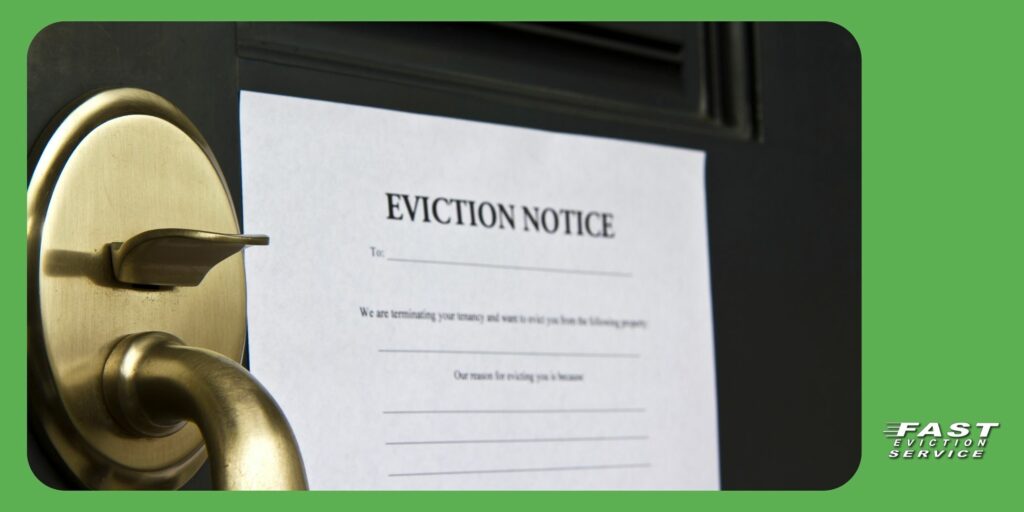
Table of Contents
- Why California Eviction Notices Matter
- Common California Eviction Notice Types
- How to Serve an Eviction Notice in California
- Common Eviction Notice Mistakes Landlords Should Avoid
- California AB 1482 and Local Ordinance Issues
- Landlord Pre Service Checklist
- What Landlords Should Do Before Filing an Unlawful Detainer
- Final Thoughts
Why California Eviction Notices Matter
An eviction notice is the legal foundation of an unlawful detainer case. If the notice is defective, the entire eviction case may fail before a judge even reviews the actual dispute between landlord and tenant.
This is one reason California courts place significant importance on notice compliance. Landlords are expected to provide accurate information, follow proper service procedures, and comply with both statewide laws and local ordinances where applicable.
Many landlords focus heavily on the tenant’s conduct, such as unpaid rent or lease violations, but overlook the importance of the notice itself. In reality, the notice is often the first thing reviewed during an eviction case.
For California landlords, understanding notice requirements can help reduce delays, improve organization, and avoid restarting the eviction timeline unnecessarily.
Common California Eviction Notice Types
3 Day Notice to Pay Rent or Quit
The 3 Day Notice to Pay Rent or Quit is one of the most commonly used notices in California. This notice is generally used when a tenant fails to pay rent on time.
The notice must clearly state:
- The exact amount of rent owed
- The rental period covered
- The tenant’s name
- Payment instructions
- The name and contact information of the landlord or authorized party
Accuracy is extremely important. A landlord should avoid estimates, rounded numbers, or including charges that may not qualify as rent under the lease agreement.
Landlords should also be cautious about accepting partial payments after serving a notice. Depending on the circumstances, accepting payment may affect the notice and delay the eviction timeline.
3 Day Notice to Cure or Quit
A 3 Day Notice to Cure or Quit is generally used when a tenant violates a lease term that can be corrected.
Examples may include:
- Unauthorized occupants
- Unauthorized pets
- Smoking violations
- Failure to maintain the property
- Improper subletting
This notice should explain the lease violation clearly and specifically. Vague language often creates unnecessary disputes and confusion.
If the violation is corrected within the allowed timeframe, the tenancy may continue.
3 Day Notice to Quit
Some lease violations are considered serious enough that landlords may use a 3 Day Notice to Quit without an opportunity to cure.
Situations may involve:
- Serious nuisance issues
- Significant property damage
- Illegal activity
- Threats to other residents
Because these notices are more aggressive, landlords should carefully document the underlying issues before proceeding.
Helpful documentation may include:
- Photos
- Incident reports
- Written complaints
- Police reports
- Communication records
30 Day and 60 Day Notices
California landlords may also use 30 Day or 60 Day notices in certain situations involving tenancy termination.
Generally speaking:
- A 30 Day Notice may apply to shorter tenancies
- A 60 Day Notice may apply to longer tenancies
However, AB 1482 and local just cause ordinances have changed how many California landlords can terminate tenancies. In many cases, landlords must now provide a qualifying reason for termination and comply with relocation assistance requirements.
This is especially important in rent controlled or heavily regulated cities.
How to Serve an Eviction Notice in California
Serving the correct notice is only half the process. California landlords must also follow proper service procedures.
Personal Service
Personal service means delivering the notice directly to the tenant.
This is often the preferred service method because it creates fewer disputes about whether the tenant received the notice.
Landlords should document:
- Date
- Time
- Location
- Tenant response
- Witness information if available
Substituted Service
If the tenant is unavailable, California law may allow substituted service.
This typically involves:
- Leaving the notice with a suitable person at the property
- Mailing a copy to the tenant
Both steps matter. Landlords sometimes complete one step but forget the second.
Good documentation remains critical during substituted service.
Post and Mail Service
Post and mail service is generally used after reasonable attempts at personal service and substituted service have failed.
This process usually involves:
- Posting the notice in a visible location
- Mailing a copy to the tenant
Landlords should understand that mailing timelines may affect when they can file an unlawful detainer.
Timing mistakes are one of the most common reasons landlords experience delays.
Common Eviction Notice Mistakes Landlords Should Avoid
Using the Wrong Notice Type
One of the biggest landlord mistakes is using the wrong notice for the situation.
For example, a nonpayment issue should generally use a Pay Rent or Quit notice rather than another notice type.
The wrong notice can force landlords to restart the process completely.
Incorrect Rent Amounts
California landlords should carefully verify the rent balance before preparing a notice.
Common mistakes include:
- Incorrect calculations
- Including late fees improperly
- Rounded balances
- Outdated accounting records
Incorrect Dates
The date on the notice should match the actual service date.
Many landlords prepare notices in advance and forget to update the date before serving.
Simple administrative errors can create avoidable disputes.
Improper Service
Posting a notice without mailing it when required is another common problem.
Landlords should understand the exact requirements for each service method and document every attempt carefully.
Poor Documentation
Documentation is one of the most valuable tools landlords have during an eviction process.
Helpful records may include:
- Photos
- Mailing receipts
- Service logs
- Tenant communication
- Lease copies
- Payment ledgers
Well organized documentation often helps reduce confusion later in the process.
California AB 1482 and Local Ordinance Issues
California eviction laws have become increasingly local.
While statewide rules apply broadly, many cities impose additional requirements.
Examples include:
- Oakland
- Berkeley
- Los Angeles
- Pasadena
- San Francisco
- Santa Monica
Landlords should review local regulations carefully before serving notices.
AB 1482 also introduced statewide just cause protections that affect many rental properties across California.
Potential issues landlords should review include:
- Relocation assistance
- Just cause requirements
- Notice language requirements
- Rent control exemptions
- Tenant protections
Properties subject to local ordinances may require additional forms or disclosures.
Landlord Pre Service Checklist
Before serving an eviction notice, landlords should review the following checklist carefully.
Notice Accuracy Checklist
- Correct notice type selected
- Tenant names verified
- Rent amount confirmed
- Property address reviewed
- Dates confirmed
- Payment instructions included if required
Service Preparation Checklist
- Personal service attempted first
- Mailing materials prepared
- Photos or service logs ready
- Copies retained for records
Property Review Checklist
- Outstanding repair requests reviewed
- Maintenance issues documented
- Lease terms verified
- Local ordinance requirements reviewed
Documentation Checklist
- Payment ledger updated
- Lease agreement accessible
- Communication records organized
- Witness information recorded if applicable
What Landlords Should Do Before Filing an Unlawful Detainer
Before filing an unlawful detainer case, landlords should verify that the notice period expired correctly and that all service steps were completed properly.
This includes reviewing:
- Service timelines
- Mailing dates
- Tenant responses
- Payment activity
- Local ordinance compliance
Landlords should also confirm that there are no unresolved issues that may complicate the case, such as habitability complaints or pending repair disputes.
A careful review before filing may help reduce unnecessary delays later in the process.
Final Thoughts
California eviction notice requirements can be highly technical, especially in heavily regulated cities and counties. For landlords, the goal is not simply to serve a notice quickly, but to serve the correct notice correctly.
Understanding notice types, service methods, documentation practices, and local ordinance requirements can help landlords avoid common mistakes that delay the eviction process.
By approaching eviction notices carefully and methodically, California landlords can improve organization, reduce avoidable errors, and better prepare for the next stages of the unlawful detainer process.